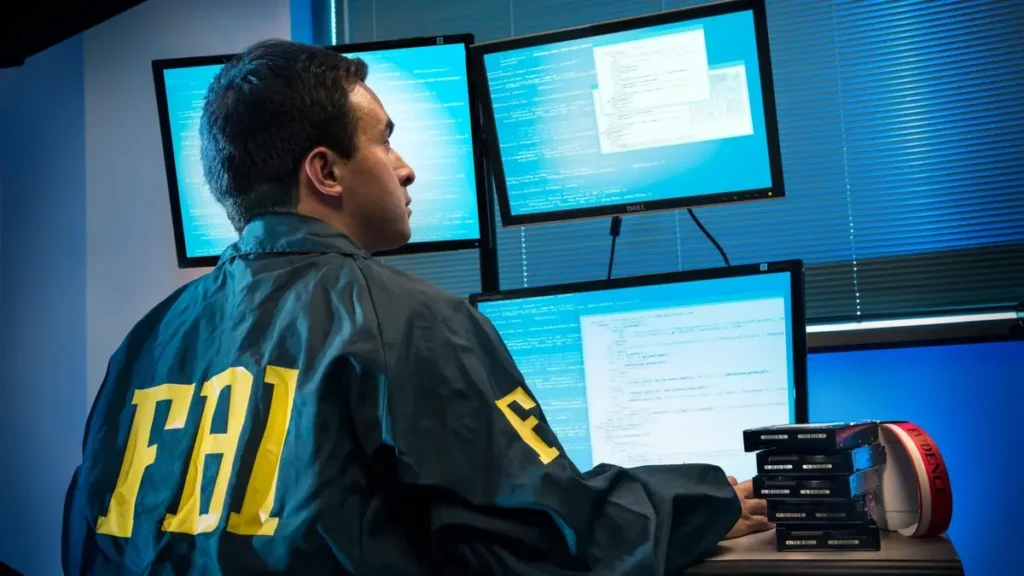
If you downloaded any lesser-known games on Steam between May 2024 and January 2026, the FBI wants to hear from you.
The FBI’s Seattle Division has officially launched an investigation into a coordinated malware campaign targeting Steam users, and the agency is asking anyone who may have been affected to come forward.
Here is everything you need to know about why the FBI is investigating Steam, which games are suspected, what the malware was doing on your computer, and what steps you should take right now.
Why Is the FBI Investigating Steam Games
The FBI’s Seattle Division announced it is seeking to identify individuals affected by malicious games installed on Steam between May 2024 and January 2026. The investigation centres on what authorities believe is a single threat actor who published multiple games on Valve’s platform with one goal: to use them as Trojan horses that silently infected players’ computers with malware the moment they were downloaded and launched.
Federal investigators believe a single hacker orchestrated the entire campaign, suggesting a level of patience and operational security that points toward financially motivated cybercrime rather than a random or opportunistic attack.
The games were functional and appeared legitimate enough to pass Steam’s review process, which is precisely what made them so dangerous. Players had no reason to suspect that a game they downloaded from one of the world’s most trusted gaming platforms was quietly stealing their data in the background.
Steam has more than 100 million monthly users, and its open marketplace allows developers worldwide to publish games. While the vast majority of titles on the platform are legitimate, the scale of the marketplace makes it possible for malicious actors to occasionally slip harmful software into game downloads.
The Suspected Steam Games With Hidden Malware
According to the bulletin on the FBI’s official site, the following games have been identified for spreading malware on Steam: BlockBlasters, Chemia, Dashverse / DashFPS, Lampy, Lunara, PirateFi, and Tokenova. The FBI describes all of these as tied to the same threat actor and believes they were part of a coordinated campaign rather than separate, unrelated incidents.
Most of these titles were small indie releases that attracted limited attention before being pulled from Steam, but their low profile was part of what made them effective. They did not need millions of downloads to cause serious damage.
The most high-profile case in this investigation involves BlockBlasters. BlockBlasters exfiltrated $32,000 worth of cancer donations from a streamer known as RastalandTV, who is currently battling stage 4 cancer, after he was coaxed into downloading it. This single case illustrates just how devastating these attacks can be on real people.
PirateFi and BlockBlasters had fewer than 10 concurrent users before they were pulled from Steam in 2025. Low player counts did not mean low impact. These games targeted specific individuals and drained accounts, wallets, and funds with surgical efficiency.
Timeline of the Steam Malware Attack
Understanding when this happened helps you work out whether you could have been affected.
The FBI believes the threat actor primarily targeted users during the period from May 2024 to January 2026. That is a window of nearly twenty months during which malware-laced games were active and downloadable on Steam. Some of these titles were removed earlier after Valve discovered them, while others remained available for longer periods before being taken down.
There is also some suspicion around Epic Games, which is giving away too many free games.
Through Steam Direct, any developer can submit a game for a $100 recoupable fee. Valve performs automated checks and some manual review, but the scale is immense. Attackers submitted benign builds to pass review, then pushed post-launch updates that added malicious loaders or leveraged side-loading with new DLLs.
This update-based tactic is particularly difficult to catch because the base game passes all security checks, and the malware only arrives later through what appears to be a normal patch.
Steam sent out emails to affected users once the malware was discovered. Valve confirmed the FBI investigation is legitimate, stating: “We can confirm the message and website linked are in fact from the FBI. If you were affected by malware in a copy of DashFPS, we encourage you to visit the FBI web page and respond to the survey there.”
What the Malware Was Actually Doing
These were not simple viruses that crashed your computer. In several cases, the malware embedded within these games was designed to steal account credentials, browser cookies, and other sensitive information from infected computers.
Multiple malicious games discovered on Steam over the past two years distributed information-stealing malware designed to harvest credentials, cryptocurrency wallets, and other sensitive data from players.
This type of malware, commonly called an infostealer, runs silently in the background while you play. By the time you realise something is wrong, your login details, saved passwords, browser session data, and crypto wallet contents could already be in someone else’s hands.
Pretty much all of these games are crypto scams that drain your wallets once launched. The financial motive behind the campaign is clear. The attacker was not trying to spy on gamers or disrupt gameplay. They were after money and the credentials that led to it.
What You Should Do Right Now
If you downloaded any of the seven games listed above between May 2024 and January 2026, take these steps immediately.
Check your Steam library: Go through your game history and check whether any of the identified titles, BlockBlasters, Chemia, Dashverse or DashFPS, Lampy, Lunara, PirateFi, or Tokenova, appear in your library or download history. Even if you only downloaded one of them and never played it, you may have been affected.
Run a full malware scan: Use a trusted antivirus or anti-malware tool to run a complete system scan. Look for anything unusual in your startup programs, browser extensions, or running processes.
Change your passwords: If you downloaded any of the suspected games, change your Steam password, your email password, and any other account passwords you use on that device immediately. Enable two-factor authentication wherever possible.
Secure your crypto wallets: If you hold any cryptocurrency, check your wallet for unauthorised transactions. Transfer funds to a new wallet with a fresh seed phrase if you have any reason to believe your device was compromised.
Report to the FBI: Victims can fill out the official Seeking Victim Information form on the FBI’s website. Anyone who knows someone who was targeted can email Steam_Malware@fbi.gov. The process is entirely voluntary, but responses may be followed up on later based on the information provided.
The FBI confirmed that all identities of victims will be kept confidential and that victims may be eligible for certain services, restitution, and rights under federal and state law.
What This Means for Steam and Gaming Platforms Going Forward
Experts say stronger pre-release and post-update scrutiny is now needed, including dynamic sandboxing of builds, reputation scoring for publisher accounts, stronger code-signing requirements for game binaries and updaters, and clearer warnings when a little-known title requests broad system access.
Valve has acknowledged the investigation and confirmed it is cooperating with law enforcement. Some affected games were removed from the platform after malicious activity was discovered. However, critics argue that a two-year window during which malware-loaded games remained accessible is too long and that automated scanning alone is clearly insufficient.
For gamers, the lesson is simple. Even trusted platforms are not completely immune to this kind of attack. Being cautious about small, unknown titles, checking reviews before downloading, and keeping security software active are basic habits that this investigation has made feel a lot more urgent.
The FBI’s Steam malware investigation is one of the most significant cybersecurity stories in gaming in recent years. A single threat actor managed to publish multiple malware-loaded games on the world’s largest PC gaming platform, steal money and personal data from real people, and operate undetected for nearly two years.
If you played any of the listed games during that period, take action today. Check your system, secure your accounts, and report to the FBI if you think you were affected. The more victims who come forward, the stronger the case against whoever is responsible.